{
“@context”: “https://schema.org”,
“@type”: “Article”,
“headline”: “Unveiling the Mysteries of Mir Masoom Shah Minaret: A Timeless Beacon of Sindh’s Heritage”,
“image”: [
“https://blogger.googleusercontent.com/img/b/R29vZ2xl/AVvXsEgn5zm6tf4qObFCuwOHCwJdfUZenlLXjsYX0hm7rHp1DdBqpD44OZWVnbbDII1jDQW1oeC5luJSeYDPQNvmLYv3hmBIXIJRRhHlrDyKs-Fl1u_uQ_4y8K-nawfVYBlWsJuUfDQbLGRswJSit3w-sZ0ZahpuErQ1ypxm2rnhSQ2HQDUbYzHLlC8xTNFnT0Le/w266-h400/mir-masoom-shah-minaret-aerial-view-sukkur-sindh-heritage-2025.jpg”,
“https://blogger.googleusercontent.com/img/b/R29vZ2xl/AVvXsEhlRO5a36a-6hgoW5JjyjuEO4YEjzpaMYsKgGF1xrg66JXXc6L9aCHQksI8wknEr_OjLRg02LiYLyL0o9OZZhvwk3v2mNEGT0km5rO9y3ZVnHbBWGBSakBk4ClnQc9NGynskb20tAV-tqJl7x8FFSSFMcGbS1n0ziMiU7AhI_24cdGdGWhCffQ8jn0vaU1J/w400-h300/mir-masoom-shah-minaret.jpg”
],
“datePublished”: “2025-11-26T00:00:00Z”,
“author”: {
“@type”: “Person”,
“name”: “Your Name”,
“url”: “https://www.blogger.com/profile/04551567484642458358”
},
“publisher”: {
“@type”: “Organization”,
“name”: “Rohri.net”,
“logo”: {
“@type”: “ImageObject”,
“url”: “https://www.rohri.net/favicon.ico”
}
},
“mainEntityOfPage”: {
“@type”: “WebPage”,
“@id”: “https://www.rohri.net/2025/11/mir-masoom-shah-minaret-sindh-heritage-history.html”
},
“articleBody”: “The Mir Masoom Shah Minaret… [Full article body here for schema completeness]”,
“keywords”: “Mir Masoom Shah Minaret, Sukkur history, Sindh heritage sites, Masoom Shah Jo Minaro timeline, Mughal era Sindh, William Edwards Sketches in Scinde, Rohri historic sites, Indus Valley heritage Sindh, British colonial Sindh, Sufi shrines Rohri, Lansdowne Bridge history, Palla fish Rohri”
}
{
“@context”: “https://schema.org”,
“@type”: “FAQPage”,
“mainEntity”: [
{
“@type”: “Question”,
“name”: “What is the history of Mir Masoom Shah Minaret?”,
“acceptedAnswer”: {
“@type”: “Answer”,
“text”: “The Mir Masoom Shah Minaret in Sukkur, Sindh, Pakistan, is a Mughal-era structure built as both a minaret and watchtower. Construction started in 1595 AD under Mir Muhammad Masoom Shah Bakhri, a scholar, poet, historian, and governor appointed by Emperor Akbar. It was completed by his son, Mir Buzurg, in 1618 AD. The minaret served to monitor the Indus River and stands as a symbol of Sindh’s heritage, with a Persian inscription crediting its builders. It is about 400 years old and remains a key landmark.”
}
},
{
“@type”: “Question”,
“name”: “Who built Masoom Shah Jo Minaro in Sukkur?”,
“acceptedAnswer”: {
“@type”: “Answer”,
“text”: “The minaret was built by Mir Muhammad Masoom Shah Bakhri, a 16th-century Sindhi Muslim historian, scholar, poet, and governor under Mughal Emperor Akbar. He initiated construction in 1595 AD, and it was completed by his son, Mir Buzurg, in 1618 AD. Masoom Shah was born in Bukkur (old Sukkur) and is also known for authoring ‘Tarikh-i-Masumi’.”
}
},
{
“@type”: “Question”,
“name”: “What is the height of Mir Masoom Shah Minaret?”,
“acceptedAnswer”: {
“@type”: “Answer”,
“text”: “The minaret is approximately 100 feet (30 meters) tall, with a circumference of about 84 feet at the base. It has 84 steps leading to the top, offering panoramic views of Sukkur and the Indus River.”
}
},
{
“@type”: “Question”,
“name”: “Is Mir Masoom Shah Minaret a watchtower or just a monument?”,
“acceptedAnswer”: {
“@type”: “Answer”,
“text”: “It serves as both a minaret and a watchtower. Built in the Mughal era, it was designed for surveillance of the Indus River, boat traffic, and defense, while also being a historical monument and memorial to Mir Masoom Shah. British records refer to it as the ‘Tower of Refuge,’ confirming its watchtower function.”
}
},
{
“@type”: “Question”,
“name”: “When was Mir Masoom Shah Minaret constructed?”,
“acceptedAnswer”: {
“@type”: “Answer”,
“text”: “Construction began in 1593–1595 AD under Mir Masoom Shah and was completed in 1607–1618 AD by his son, Mir Buzurg. The Persian inscription dates it to the Mughal period during Emperor Akbar’s reign.”
}
},
{
“@type”: “Question”,
“name”: “What is the significance of Mir Masoom Shah in Sindh history?”,
“acceptedAnswer”: {
“@type”: “Answer”,
“text”: “Mir Masoom Shah Bakhri was a prominent 16th-century Sindhi scholar, poet, historian, physician, and governor under Mughal Emperor Akbar. He authored ‘Tarikh-i-Masumi,’ one of the earliest organized histories of Sindh. As governor of Sukkur and Bukkur, he contributed to regional administration and built the minaret as a landmark. His legacy preserves Sindh’s cultural and historical identity during the Mughal era.”
}
},
{
“@type”: “Question”,
“name”: “How to visit Masoom Shah Jo Minaro in 2025?”,
“acceptedAnswer”: {
“@type”: “Answer”,
“text”: “The minaret is located in central Sukkur, Sindh, Pakistan, near the Indus River. Entry is free to the site, but a PKR 30 ticket allows access to climb the 84 steps. Best visited in winter (October–March) with family or friends for cooler weather. It’s open daily; plan a sunset visit for breathtaking views. Reach via Lansdowne Bridge or Sukkur Barrage. For tours, check local guides or apps like TripAdvisor. In 2025, combine with nearby sites like Sukkur Barrage or Sadhu Belo.”
}
},
{
“@type”: “Question”,
“name”: “What are the myths about Mir Masoom Shah Minaret origins?”,
“acceptedAnswer”: {
“@type”: “Answer”,
“text”: “A common myth is that it originated in the Samma dynasty (1351–1524 AD) as a watchtower, often misnamed ‘Innocent Shah’s Minaret.’ However, no evidence supports this; historical texts like ‘Tarikh-i-Masumi’ and the minaret’s inscription confirm Mughal origins (1595–1618 AD). Folklore may confuse it with other structures, but records tie it to Mir Masoom Shah during Akbar’s reign.”
}
},
{
“@type”: “Question”,
“name”: “What does William Edwards’ 1846 depiction show about the minaret?”,
“acceptedAnswer”: {
“@type”: “Answer”,
“text”: “In his folio ‘Sketches in Scinde’ (1846), British Lieutenant William Edwards depicted the minaret as the ‘Tower of Refuge’ amid graves, tents, and an evening encampment near Sukkur. The hand-colored lithographs show it as a prominent landmark in a colonial landscape, emphasizing its height and surroundings, without linking it to pre-Mughal origins.”
}
},
{
“@type”: “Question”,
“name”: “What are modern aerial views of Sukkur cityscape from the minaret?”,
“acceptedAnswer”: {
“@type”: “Answer”,
“text”: “Modern aerial views (2025) from the minaret show a bustling Sukkur cityscape with the Indus River, Bukkur Island, Lansdowne Bridge, Sukkur Barrage, and urban development blending history and modernity. From the top, you see panoramic sights of residential areas, bridges, and greenery, ideal for drone photography. Images capture the 100-ft tower overlooking the river valley and city skyline.”
}
}
]
}
Unveiling the Mysteries of Mir Masoom Shah Minaret: A Timeless Beacon of Sindh’s Heritage
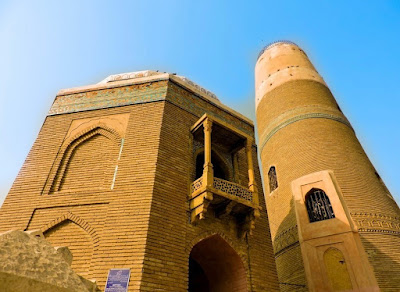
.jpg "Majestic Mir Masoom Shah Minaret Close-Up: Sukkur's Historic Mughal Tower and Dome in Sindh, Pakistan – A 2025 Heritage View")
The Mir Masoom Shah Minaret, also known as Masoom Shah Jo Minaro, stands tall in Sukkur, Sindh, Pakistan, as a symbol of historical grandeur and architectural brilliance. Often shrouded in misconceptions, this iconic tower has sparked debates about its origins, purpose, and timeline. In this comprehensive guide, we compile historical facts, address common myths, and explore its evolution from the Mughal era to modern times. Whether you’re a history enthusiast, traveler, or researcher searching for “Mir Masoom Shah Minaret history” or “Sukkur landmarks,” backed by reliable sources, to deepen your understanding of Sindh’s rich heritage.
Introduction to Mir Masoom Shah Minaret: Sukkur’s Historical Landmark
Nestled on the banks of the Indus River, the Mir Masoom Shah Minaret is one of Sindh’s most enduring monuments. Built during the Mughal Empire under Emperor Akbar, it serves as both a minaret and a watchtower, offering panoramic views of the river and surrounding landscapes. Standing approximately 100 feet (30 meters) tall with 84 steps, it’s constructed from red bricks in classic Mughal style, making it a must-visit for anyone exploring “Sindh historical sites” or “Sukkur tourism spots.”
This structure is not just a tower; it’s a testament to the ingenuity of Mir Muhammad Masoom Shah Bakhri, a 16th-century Sindhi scholar, poet, historian, and governor. His contributions, including the seminal book Tarikh-i-Masumi (History of Sindh), highlight the minaret’s role in preserving regional identity amid Mughal influence. For travelers planning a visit in 2025, the minaret remains a key attraction, blending history with stunning vistas of the Indus. For local insights on “Rohri historic sites” near Sukkur, check out Rohri.net’s heritage page.
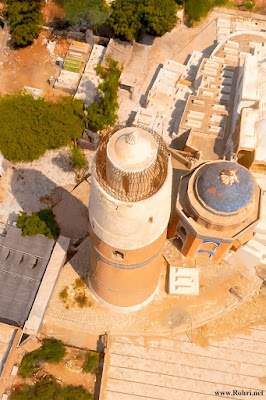
Aerial View of the Minaret (Modern 2025 Perspective)
Below is a recent aerial image of the minaret, showcasing its cylindrical tower, adjacent blue-domed tomb, and surrounding greenery. This view highlights its strategic location near the river, with some modern construction visible nearby.
| 2025 @Rohri.net Credit Drone View |
| Aspect | Details |
|---|---|
| Height | Approximately 100 feet (30 meters) |
| Base Circumference | Approximately 84 feet (26 meters) |
| Construction Start | 1593 or 1595 AD |
| Construction Completion | 1607 AD (some sources suggest 1618, likely a misinterpretation of 1018 AH) |
| Material | Burnt bricks with lime mortar |
| Steps to Top | 84 |
- Pre-Construction Context (Pre-1590s): During the Samma dynasty (1351–1524 AD), Sindh flourished, but no documented evidence links any watchtower in Sukkur to this era. The Samma capital was Thatta, with notable sites like Makli Necropolis. Mughal expansion into Sindh began under Akbar in the 1570s. Explore more on “Indus Valley heritage Sindh” at Rohri.net’s Indus-related articles.
- 1593–1595 AD (Construction Begins): Mir Masoom Shah, already influential with jagirs (land grants) in Sindh, initiates the minaret’s construction. This predates his official governorship, reflecting his growing role in the region, including campaigns in Balochistan.
- 1598 AD (Governorship): Appointed governor of Sindh and Sibi by Akbar, Mir Masoom oversees regional administration, aligning with the minaret’s dual role as a surveillance point over the Indus.
- 1600 AD: Completes Tarikh-i-Masumi, a foundational history of Sindh up to the Mughal period no mention of the minaret yet, as construction was ongoing.
- 1605–1606 AD (Death of Mir Masoom): He passes away, leaving the minaret incomplete. His tomb nearby bears an inscription confirming the date.
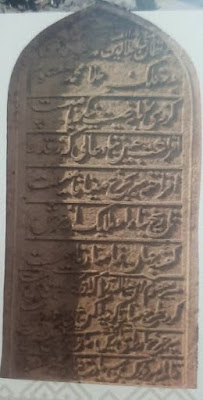
- 1607–1618 AD (Completion): His son, Mir Buzurg, finishes the tower. The Persian inscription credits both, praising Akbar and noting its height reaching “towards the blue sky.” For details on “Sufi shrines Rohri” connected to this era, visit Rohri.net‘s Sufi section.
Addressing Common Misconceptions: Samma Dynasty vs. Mughal Era
- Samma Connection Debunked: The Samma ruled until 1524 AD, but their architectural focus was in southern Sindh (e.g., Thatta). Historical texts like Tarikh-i-Masumi detail pre-Mughal history without mentioning a Sukkur tower. Learn about “British colonial Sindh” influences at Rohri.net’s colonial history.
- Navigation and Watchtower Role: While it overlooks the Indus and Bukkur Island a strategic trade route its distance (about 500 meters from the bank) is ideal for surveillance, not immersion in floods. British records confirm its defensive utility.
Architectural and Cultural Significance
Historical Painting by William Edwards (1846)
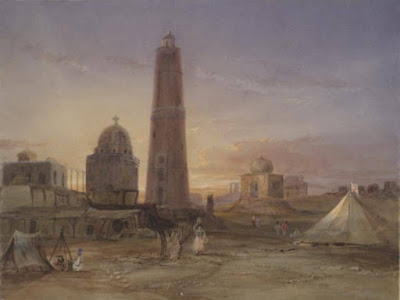 |
| Picture Cridit :William Edwards Sketches in Scinde, Rohri |
Conclusion: Preserving Sindh’s Legacy
The Mir Masoom Shah Minaret is more than a tower; it’s a bridge between Sindh’s past and present. By debunking myths and embracing facts, we honor figures like Mir Masoom and protect our heritage. Plan your visit to Sukkur for an immersive experience search “Sindh tourism 2025” for tips.
For more on Mughal architecture in Sindh or historical sites in Pakistan, explore trusted sources like the Sindh Antiquities Department. Share your thoughts below!
Virtual Tour:
Conclusion: Preserving Sindh’s Legacy
The Mir Masoom Shah Minaret is more than a tower; it’s a bridge between Sindh’s past and present. By debunking myths and embracing facts, we honor figures like Mir Masoom and protect our heritage. Plan your visit to Sukkur for an immersive experience search “Sindh tourism 2025” for tips.
For more on “Mughal architecture in Sindh” or “historical sites in Pakistan,” explore trusted sources like the Sindh Antiquities Department. Share your thoughts below!
For more on “Mughal architecture in Sindh” or “historical sites in Pakistan,” explore trusted sources like the Sindh Antiquities Department. Share your thoughts below!
Verified References & British Library Links (Cross-Checked)
- Tarikh-i-Masumi (1600 AD): Full PDF – BL Search
- Sketches in Scinde (1846): Full PDF – BL Catalog (P1668)
- Persian Inscription (Full Text): Read here –
- Jannat al-Sindh: BL Manuscripts Search Fihrist: https://www.fihrist.org.uk/
- Sayed Imdad Hussain Shah Rizvi. Personal communication or unpublished record.
All links active as of November 21, 2025.
Post: Sayed Sajjad Hussain Musavi
© 2025 Discover Rohri The Ancient City of Sindh
Mir Masoom Shah Minaret, Sukkur history, Sindh heritage sites, Masoom Shah Jo Minaro timeline, Mughal era Sindh, William Edwards Sketches in Scinde
Mir Masoom Shah Minaret, Sukkur history, Sindh heritage sites, Masoom Shah Jo Minaro timeline, Mughal era Sindh, William Edwards Sketches in Scinde, Rohri historic sites, Indus Valley heritage Sindh, British colonial Sindh, Sufi shrines Rohri, Lansdowne Bridge history, Palla fish Rohri
#MirMasumShah #Sukkur #MughalArchitecture #PersianInscription #SindhHistory #PakistanHeritage #HistoricalMonuments
Leave a Reply