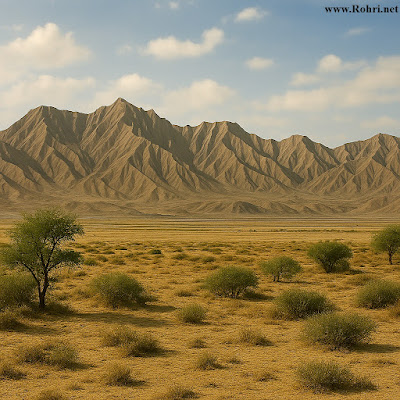
 pakistan-balochistan
Balochistan: Culture, Challenges & Pakistan’s Role
Exploring Balochistan: Culture and Challenges Balochistan, the largest province of Pakistan by area, is often overshadowed by its more populous counterparts. Despite this, it holds a unique position in the cultural and geographical landscape of Pakistan. In this article, we delve into the rich tapestry of Balochistan’s culture, its pressing challenges, and its significance within the broader context of Pakistan. A Glimpse into Balochistan’s Culture Balochistan is home to a diverse array of ethnic groups, languages, and traditions. The Baloch people, who form the majority, are known for their rich oral literature, traditional music, and vibrant festivals. The province is also home to Pashtuns, Brahuis, and smaller communities such as the Hazaras and Sindhis. Ethnic Diversity and Unity The ethnic tapestry of Balochistan is a blend of various groups, each contributing to the province’s rich cultural mosaic. The Baloch, Pashtuns, and Brahuis have lived together for centuries, creating a unique blend of customs and traditions. This diversity, while a source of cultural richness, also poses challenges in terms of political representation and social harmony. Despite these challenges, the people of Balochistan have historically managed to maintain a sense of unity, often rallying together for provincial causes. Language and Literature The Balochi language, an ancient and melodic tongue, is a cornerstone of Baloch identity. Balochi poetry and storytelling are intrinsic parts of cultural expression, often reflecting the region’s history and social issues. Balochi literature is rich in folklore, with tales that speak of valor, honor, and the harsh beauty of the land. Urdu, Pakistan’s national language, is also widely spoken, facilitating communication with other parts of the country. This bilingual nature enriches the cultural experience, allowing for a fusion of ideas and expressions. Festivals and Traditions Festivals such as Eid, Nawroz (Persian New Year), and Sibi Mela, a livestock and cultural festival, showcase the province’s vibrant culture. These events are characterized by traditional music, dance, and the display of handcrafted goods, offering a glimpse into the region’s artistic heritage. The Sibi Mela, in particular, is a grand event that brings together people from all over the province, highlighting Balochistan’s agricultural and pastoral wealth. Traditional dances like the Leva and Chap are performed with fervor, symbolizing the joy and unity of the community. Artistic Expressions Art in Balochistan goes beyond festivals, finding expression in various forms such as embroidery, pottery, and weaving. The intricate designs of Balochi embroidery are not just aesthetic but also tell stories of the people and their land. Pottery and weaving are age-old crafts that continue to thrive, passed down through generations. These artistic expressions are a testament to the creativity and resilience of the people, who use art to preserve their heritage and express their identity. Geographical Significance of Balochistan Balochistan’s geographical location is strategic, sharing borders with Afghanistan and Iran. This positioning makes it a crucial area for trade and commerce. The province is rich in natural resources, including natural gas, coal, and minerals, contributing to Pakistan’s economy. Strategic Location Balochistan’s borders with Afghanistan and Iran place it at the crossroads of South Asia, Central Asia, and the Middle East. This strategic location makes it a vital corridor for trade and energy transit routes. The province’s position is pivotal in international trade agreements and regional cooperation, offering a bridge between diverse cultures and economies. However, this also makes it a focal point for geopolitical tensions, requiring careful navigation in international diplomacy. Natural Resources and Economic Impact The abundance of natural resources in Balochistan, such as natural gas, coal, and copper, significantly contributes to Pakistan’s economy. The extraction and management of these resources are crucial for the country’s energy and industrial sectors. However, the distribution of resource-generated wealth remains a contentious issue, often leading to local discontent. Equitable sharing of these resources could transform the economic landscape, fostering development and prosperity for the region. Economic Potential Balochistan’s economy is largely driven by agriculture, livestock, and mining. The Gwadar Port, a deep-sea port developed with China’s assistance, is expected to boost trade and investment, positioning Balochistan as a future economic hub. This port is a cornerstone of the China-Pakistan Economic Corridor (CPEC), promising to transform regional trade dynamics. However, the economic benefits are often marred by issues of resource distribution and local discontent. Ensuring that local communities benefit from these developments is essential for sustainable economic growth....
Read Full Guide →