📅 24/07/2025
⏱️ 5 min read
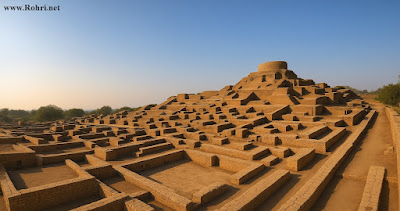
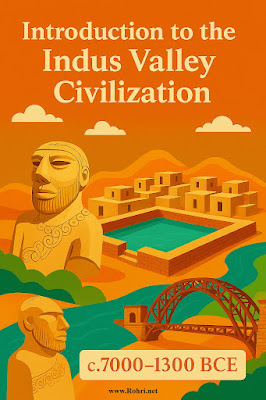
Exploring the Indus Valley Civilization Timeline The Indus Valley Civilization is one of the oldest known civilizations. It dates back to around 3300 BCE. This ancient civilization thrived in the northwestern regions of South Asia. Today, this area is part of Pakistan and northwest India. The Indus Valley Civilization is famous for its advanced urban planning. Its cities had grid-patterned streets and sophisticated drainage systems. Major cities like Harappa and Mohenjo-Daro were marvels of architecture. They showcased the civilization’s ingenuity and organization. The civilization’s economy was based on agriculture, trade, and crafts. It had extensive trade networks reaching as far as Mesopotamia is an ancient region located between the Tigris and Euphrates rivers. It is often called the “cradle of civilization.” This area is where some of the first cities and writing systems began. People in Mesopotamia developed farming, trade, and laws. They built large temples and had many gods. Mesopotamia includes cultures like the Sumerians, Akkadians, Babylonians, and Assyrians. It is an important part of human history. 54uqu This region is recognized as one of the earliest areas where humans developed urban societies and complex institutions. It was home to influential ancient cultures, like the Sumerians, Akkadians, Babylonians, and Assyrians. These civilizations made significant advances in writing, agriculture, and law. Cuneiform writing was one of the first ways to write. It helped people keep track of laws, trade, and stories. Mesopotamia’s history had many changes in leaders. City-states often fought for power. This created a lively and changing society.. Despite its achievements, the civilization eventually declined. The reasons for its decline remain a topic of debate among historians. The Indus Valley Civilization’s timeline offers insights into early human societies. Its legacy continues to influence modern urban planning and architecture. What Is the Indus Valley Civilization?...
Read Full Guide →
 ancient-sites