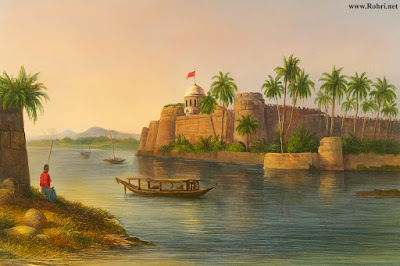
Introduction to a Forgotten Chapter in Sindh’s History
| Bukkur Fort – Island Fortress of Rohri & Sukkur used Ai for Colour |
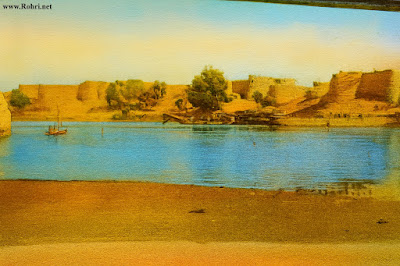 |
| Where time flows with the river ancient walls stand watch as boats drift past Sukkur’s enduring bridge. A timeless glimpse into Sindh’s riverfront legacy. |
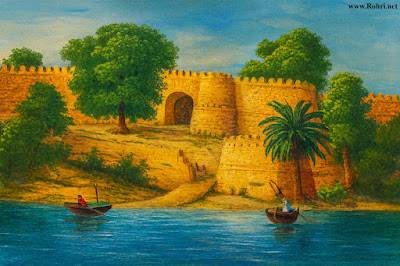 |
| Bukkur Fort’s ancient gateway stands watch over the Indus, facing Khwaja Khizr’s sacred shrine a timeless meeting of fort and faith. |
Bukkur Fort, an oval-shaped limestone stronghold measuring approximately 800 yards long and 300 yards wide, has stood as a sentinel on the Indus River for centuries. Its strategic location made it a prized asset in regional conflicts. During the 1540s, as Humayun fled from defeats at the hands of Sher Shah Suri, Sindh became a refuge and a battleground. This article delves into the events leading to Bukkur’s renaming, the key figures involved, and the broader historical context, aiming to boost traffic through targeted niches like “Humayun in Sindh” and “Haibat Khan Niazi.”
To visualize this historic site, here’s an image of Bukkur Fort showcasing its vintage architecture amid the Indus River.
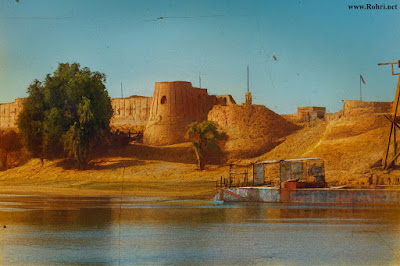

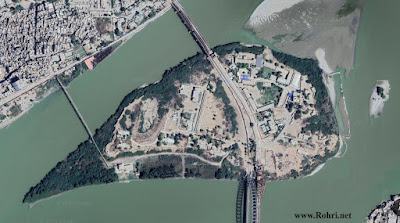 |
| Satellite view of Bukkur Island (بکر جو جزيرو) in the Indus River, located between Rohri and Sukkur in Sindh, Pakistan. The image shows dense urban structures, bridges connecting to the mainland, and the historic fort’s central position in Sukkur district. |
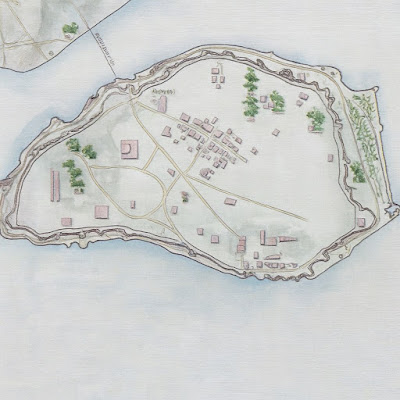 |
| Bukkur Fort island (بکر جو جزيرو) in the Indus River, between Rohri and Sukkur, Sindh. Historic fortress with bastions, palm trees, and pathways, central to Sukkur district heritage. Sponsored Content
|
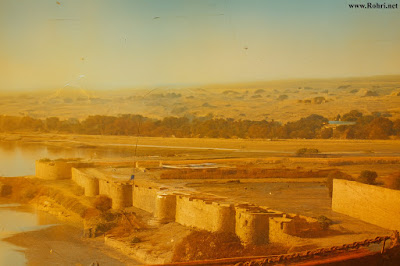 |
| Bukkur Fort stands timeless by the Indus its bastions guarding centuries of Sindh’s riverine legacy. From stone walls to distant hills, this view echoes history in every curve of the land. |
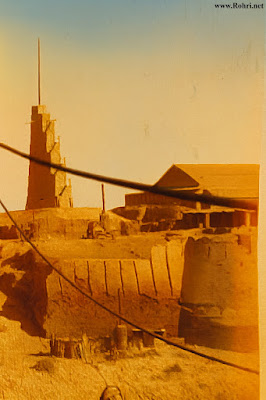 |
| Bukkur Fort, 1885 where Mughal heritage met colonial industry. John Jacob’s gunpowder factory rose over the governor’s residence, later transformed into a workshop during Lansdowne Bridge’s construction. The telegraph tower, one of four installed in 1860, carried Britain’s wireless lines across the Indus, marking a turning point in Sindh’s history of communication and engineering. |
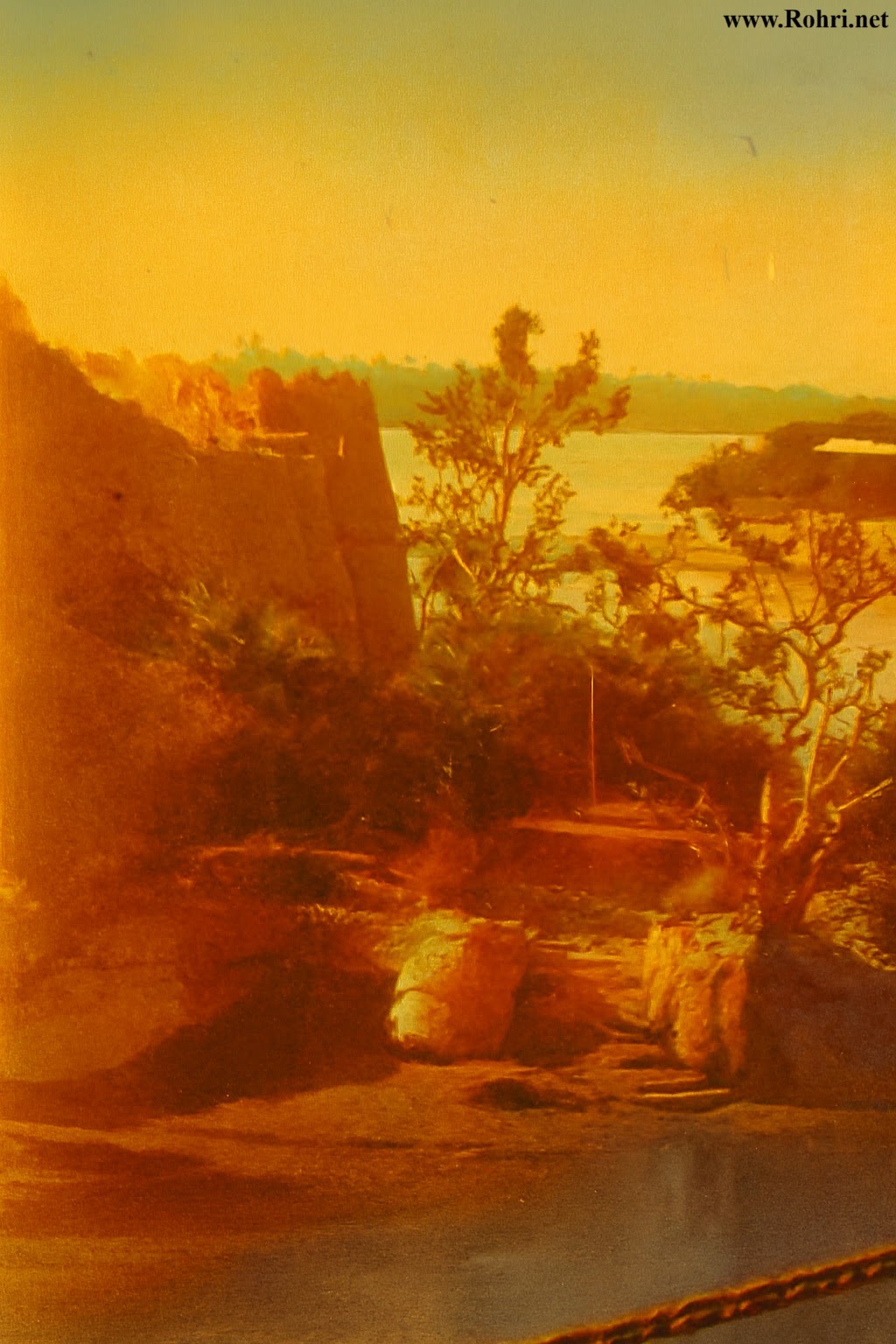 |
| Where stone meets silence this riverside bastion watches the Indus flow, cradled by trees and time. A timeless view of Sindh’s fortifications and natural grace. |
The Rise of Sher Shah Suri and His Clash with Humayun
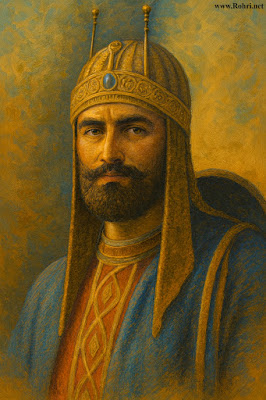 |
| Sher Shah Suri visionary ruler, fierce warrior, and architect of Hindustan’s Grand Trunk Road. His legacy lives on in every stone, every reform, and every mile of empire he shaped. |
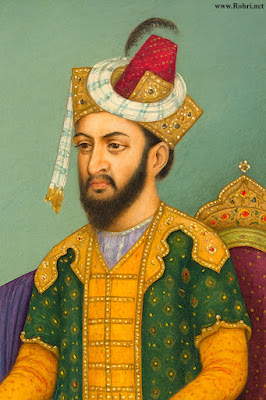 |
| Emperor Humayun, the visionary Mughal ruler, portrayed in regal attire with jeweled turban and embroidered robes. A timeless symbol of South Asian imperial heritage and artistic grandeur. |
Humayun’s exile was a period of hardship and wandering. Arriving in Sindh in 1541 with a large entourage, including 200,000 troops and civilians, he faced famine and resistance from local ruler Shah Hussain Arghun. In Rohri, Humayun established camp, even having his name recited in the Friday prayers at the local mosque. However, Arghun fortified Bukkur Fort by demolishing nearby structures and seizing boats on the Indus to starve out the Mughals. Despite gifts and alliances, Humayun endured five months of scarcity before moving to Sehwan, where he besieged the fort for seven months without success
During this time, personal milestones occurred: Humayun married Hamida Banu Begum in Pat, and their son Akbar was born in Umarkot on October 15, 1542. Bairam Khan joined him, facilitating a truce with Arghun, who provided supplies for Humayun’s journey to Persia. Humayun’s 15-year exile ended in 1555 when, with Safavid aid, he reclaimed Delhi after Sher Shah’s death in 1545.
Haibat Khan Niazi’s Conquest and the Renaming of Bukkur
Upon conquest, Haibat Khan issued coins in Sher Shah’s name and renamed the area encompassing Bukkur and Sukkur as Sher Garh, honoring his sovereign. This act symbolized Afghan dominance in upper Sindh, extending as far as Sehwan. The fort, already reinforced with double walls and a circumference of about 1875 yards (as per historical records, though 1912 surveys note 292-255 square yards), became a military outpost.
Haibat Khan’s rule extended beyond conquest; as Punjab’s governor, he settled thousands of Niazi tribesmen in areas like Mianwali, suppressing local Jat and Baloch revolts led by figures like Fateh Khan Jat. Sher Shah bestowed upon him the title “Azam Humayun” for his loyalties. However, upon learning Humayun had fled to Persia, Haibat Khan withdrew, and the renaming was short-lived, reverting to Bukkur.
Another key figure was Khawas Khan Marwat, a junior commander under Sher Shah, who pursued Humayun after Chausa and later governed Rohtas Fort. His efforts forced Humayun’s hasty retreat from Lahore to Sindh.
Here’s another glimpse of the fort’s remnants, highlighting its enduring presence in Sukkur’s landscape.
Broader Impacts on Sindh and Medieval India
Conclusion: Lessons from History
- Wikipedia: Bukkur – Detailed fort history.
- Wikipedia: Sher Shah Suri – Biography and conquests.
- Wikipedia: Humayun – Exile details.
- Wikipedia: Sukkur – Regional context.
- Book: “The Mughal Empire” by John F. Richards – For broader Mughal history.
- Book: “A History of Sindh” by Suhail Zaheer Lari – Local perspectives on Sindh events.
- Sayed Imdad Hussain Shah Rizvi. Personal communication or unpublished record.
All links active as of december 05, 2025.
Post: Sayed Sajjad Hussain Musavi
© 2025 Discover Rohri The Ancient City of Sindh
#SindhHistory #MughalEmpire #SherShahSuri #BukkurFort #HumayunExile
Leave a Reply