{
“@context”: “https://schema.org”,
“@type”: “Article”,
“headline”: “Ghanta Ghar Sukkur: The Historic Sunderdas Dayomal Tower – A Timeless Landmark in Sindh”,
“datePublished”: “2025-12-14T00:00:00+00:00”,
“author”: {
“@type”: “Person”,
“name”: “Rohri.net Team”
},
“publisher”: {
“@type”: “Organization”,
“name”: “Rohri.net”,
“logo”: {
“@type”: “ImageObject”,
“url”: “https://www.rohri.net/favicon.ico”
}
},
“image”: “https://blogger.googleusercontent.com/img/b/R29vZ2xl/AVvXsEjVGWoRjoVQVHEgdjeXvCpz1erwnNhlAe1QLv2V4JhbUDrmMmHpdvui4OlSXz8-s1IKyct9K1Q8CBxl2AVOCo3RwUrOzV1DpZLqrUH4D8G8GJrYyFuEXGiaE0POzJcPiG31e8zajKf4jqHZ1gXV49XODpwYkNb-D63_16jWeb_gS2iSovzw99fK4KoDt4jH/w266-h400/sukkur-clock-tower-1940-ghanta-ghar-pre-independence.jpg”,
“description”: “Discover the history of Ghanta Ghar Sukkur, also known as Sunderdas Dayomal Tower. Learn about its construction, location, GPS coordinates, best time to visit, and tips for tourists. Explore this iconic clock tower and its role in Sindh’s heritage.”,
“mainEntity”: {
“@type”: “TouristAttraction”,
“name”: “Ghanta Ghar Sukkur (Sunderdas Dayomal Tower)”,
“description”: “A historic clock tower in Sukkur, Sindh, Pakistan, built in 1937 in memory of Seth Sunderdas and Seth Dayomal. It stands 90 feet tall with an octagonal shape and is a key landmark in the city.”,
“address”: {
“@type”: “PostalAddress”,
“streetAddress”: “Outside Victoria Market, Chosul Road”,
“addressLocality”: “Sukkur”,
“addressRegion”: “Sindh”,
“addressCountry”: “PK”
},
“geo”: {
“@type”: “GeoCoordinates”,
“latitude”: 27.7052,
“longitude”: 68.8587
},
“publicAccess”: true,
“isAccessibleForFree”: true,
“touristType”: “History and Architecture Enthusiasts”,
“openingHoursSpecification”: {
“@type”: “OpeningHoursSpecification”,
“dayOfWeek”: [
“Monday”,
“Tuesday”,
“Wednesday”,
“Thursday”,
“Friday”,
“Saturday”,
“Sunday”
],
“opens”: “00:00”,
“closes”: “23:59”
}
}
}
Ghanta Ghar Sukkur: The Historic Sunderdas Dayomal Tower
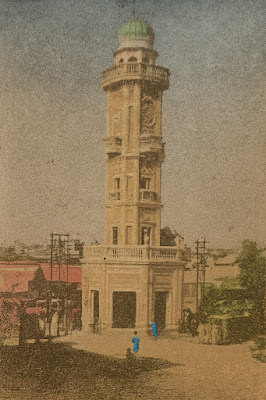
Nestled in the heart of Sukkur, Sindh, Pakistan, stands the majestic Ghanta Ghar, ( Sindhi:گهنٽا گهر Urdu: گھنٹہ گھر ) also affectionately known as the Sunderdas Dayomal Tower or Clock Tower. This historical landmark serves as a testament to the city’s rich past and architectural prowess. Built in the 1930s, it continues to be a focal point for locals and tourists alike, symbolizing the blend of community spirit and colonial-era influences in Sindh.
| Sukkur Clock Tower, Ghanta Ghar Sukkur, Sukkur history 1940, Sindh heritage, pre-independence Pakistan, vintage Sukkur photo |
Location and Architectural Features
The Ghanta Ghar is strategically located in the central part of Sukkur, just below the famous Minaret of Masoom Shah, outside the Victoria Market on Chosul Road. This positioning makes it easily accessible and a prominent feature in the bustling urban landscape. Standing at an impressive height of 90 feet, the tower tapers to a width of 35 feet at its base. Its octagonal shape adds to its unique aesthetic, with rooms constructed at the lower levels for functional purposes.
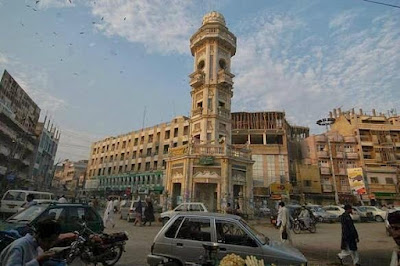 |
| Ghanta Ghar Sukkur |
History and Construction
The tower was constructed in 1937 by the Sunder Shewak Sabha, a local social organization, with funding from Seth Vadhumal Nebhaumal. It was built in loving memory of his deceased brothers, Seth Sunderdas and Seth Dayomal. The foundation stone was laid on January 7, 1937, by Diwan Bahadur Issarsingh Tiloksing, the President of the Sukkur Municipality at the time.
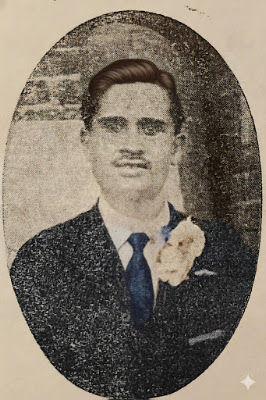 |
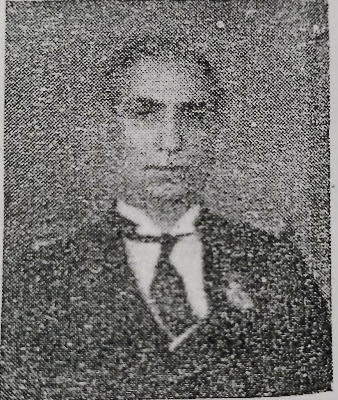
| Seth Deyomal Nebhayo Mal, the generous philanthropist whose financial support made possible the construction of Sukkur’s iconic Ghanta Ghar a lasting symbol of civic pride and heritage in Sindh. |
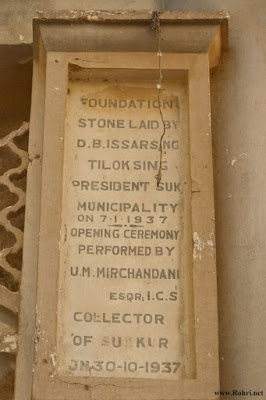
Completion of the tower occurred on October 30, 1937, and it was officially inaugurated by the then Collector of Sukkur, Diwan Udharam Mirchandani. The total cost of construction amounted to 10,000 rupees, a significant sum that reflected the dedication to honoring the memory of the brothers.
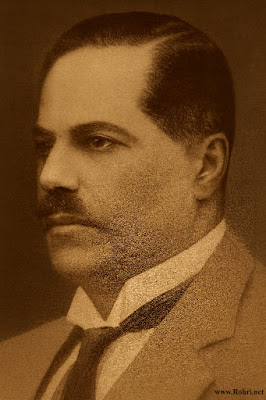 |
| Portrait of Diwan Udharam Mirchandani, who served as Collector of Sukkur on 30 October 1937 |
Significance and Legacy
Today, the Ghanta Ghar remains an enduring symbol of Sukkur’s heritage. Despite facing challenges like the theft of its clocks in 1994, it continues to tick away, reminding passersby of the city’s vibrant history. Visitors often admire its structure while exploring nearby attractions, making it a must-visit for those interested in Sindh’s cultural landmarks.
For those planning a trip, the tower is open to the public, and its central location makes it ideal for a quick historical detour. Whether you’re a history buff or a casual traveler, the Sunderdas Dayomal Tower offers a glimpse into the past that’s both educational and inspiring.
Best Time to Visit for Tourists
The best time to visit Ghanta Ghar Sukkur is during the winter months from October to March, when the weather is mild and pleasant, with temperatures ideal for sightseeing. Avoid the summer months (May to July) due to extreme heat often exceeding 45°C. For tourists from the USA, this period aligns well with cooler climates, making exploration comfortable.
Visiting Tips
- Start your visit from the Ghanta Ghar Bazaar for a vibrant shopping experience and to immerse in local culture.
- Photography is generally allowed, but be respectful of locals and avoid disrupting traffic in the busy area.
- Wear comfortable shoes as the site is in a bustling market; visit early morning or late afternoon to avoid crowds.
- Combine your trip with nearby attractions like the Minaret of Masoom Shah or Sukkur Barrage for a full day of exploration.
- Stay hydrated and use sunscreen, especially outside winter months.
For those planning a trip, the tower is open to the public, and its central location makes it ideal for a quick historical detour. Whether you’re a history buff or a casual traveler, the Sunderdas Dayomal Tower offers a glimpse into the past that’s both educational and inspiring.
References
- Heritage of Sindh: Ganta Ghar Clock Tower, Sukkur.
- Wikipedia: Clock Tower, Sukkur.
- The Friday Times: Sukkur’s Beloved Clock Tower.
- Ghanta Ghar (2025) – All You Need to Know BEFORE You Go (with Reviews)
- At 79 years, Sukkur’s Ghanta Ghar begs for govt attention
- Sayed Imdad Hussain Shah Rizvi. Personal communication. December 2025.
- The Financial Struggles of Sukkur Municipality Before Pakistan’s Formation
All links active as of december 14 2025.
Post: Sayed Sajjad Hussain Musavi
© 2025 Discover Rohri The Ancient City of Sindh
Ghanta Ghar Sukkur, Sunderdas Dayomal Tower, Historical Landmarks in Sukkur, Sindh Heritage, Clock Towers in Pakistan
History, Architecture, Travel
#GhantaGharSukkur #SunderdasDayomalTower #SukkurHistory #SindhHeritage #PakistanLandmarks
{
“@context”: “https://schema.org”,
“@type”: “FAQPage”,
“mainEntity”: [
{
“@type”: “Question”,
“name”: “What is Ghanta Ghar Sukkur?”,
“acceptedAnswer”: {
“@type”: “Answer”,
“text”: “Ghanta Ghar Sukkur, also known as the Sunderdas Dayomal Tower or Clock Tower, is a historic landmark in Sukkur, Sindh, Pakistan. It is a 90-foot tall octagonal clock tower built in 1937 as a memorial to Seth Sunderdas and Seth Dayomal.”
}
},
{
“@type”: “Question”,
“name”: “Where is Ghanta Ghar Sukkur located?”,
“acceptedAnswer”: {
“@type”: “Answer”,
“text”: “It is located in the central part of Sukkur, below the Minaret of Masoom Shah, outside the Victoria Market on Chosul Road. GPS coordinates: 27.7052° N, 68.8587° E.”
}
},
{
“@type”: “Question”,
“name”: “When was Ghanta Ghar Sukkur built?”,
“acceptedAnswer”: {
“@type”: “Answer”,
“text”: “The foundation stone was laid on January 7, 1937, and it was completed and inaugurated on October 30, 1937.”
}
},
{
“@type”: “Question”,
“name”: “Who built Ghanta Ghar Sukkur and why?”,
“acceptedAnswer”: {
“@type”: “Answer”,
“text”: “It was constructed by the Sunder Shevak Sabha with funding from Seth Wadhumal Nibhaomal in memory of his deceased brothers, Seth Sunderdas and Seth Dayomal. Some sources link it to the Silver Jubilee of King George V.”
}
},
{
“@type”: “Question”,
“name”: “What is the best time to visit Ghanta Ghar Sukkur?”,
“acceptedAnswer”: {
“@type”: “Answer”,
“text”: “The best time is during the winter months from October to March, when the weather is mild. Avoid summer due to extreme heat.”
}
},
{
“@type”: “Question”,
“name”: “Is Ghanta Ghar Sukkur open to the public?”,
“acceptedAnswer”: {
“@type”: “Answer”,
“text”: “Yes, it is open to the public and accessible for free. It is a prominent landmark in a bustling area.”
}
},
{
“@type”: “Question”,
“name”: “What are some visiting tips for Ghanta Ghar Sukkur?”,
“acceptedAnswer”: {
“@type”: “Answer”,
“text”: “Start from Ghanta Ghar Bazaar, wear comfortable shoes, visit early morning or late afternoon to avoid crowds, combine with nearby attractions like the Minaret of Masoom Shah, and stay hydrated.”
}
}
]
}
Leave a Reply